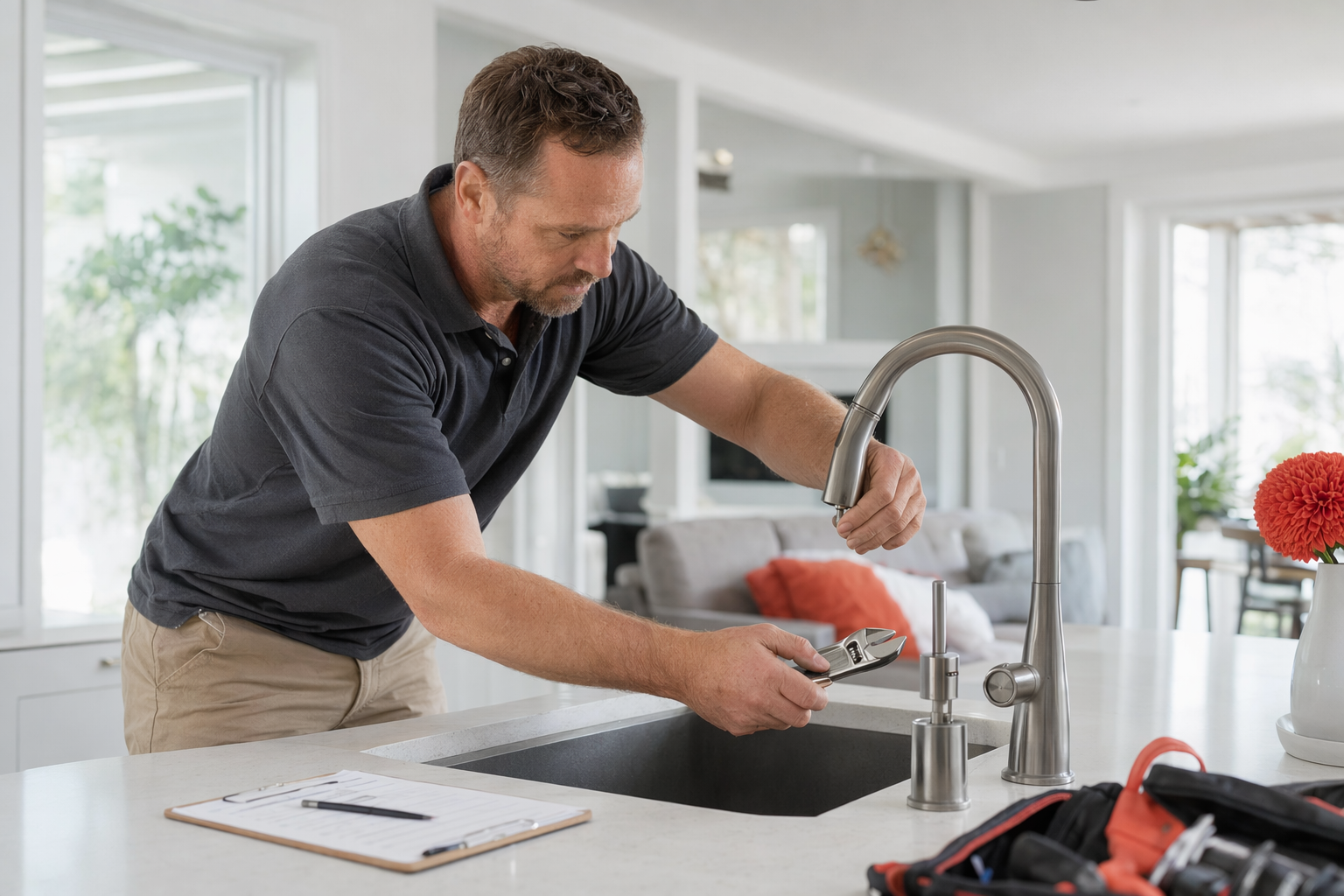
What maintenance and inspections cover
A well-run vacation rental usually needs two kinds of support: reactive repairs when something stops working, and planned inspections to catch problems early. That can include HVAC checks, plumbing leaks, electrical issues, appliance testing, smoke and CO detector checks, door locks, water damage, pest signs, exterior wear, pool or hot-tub service if applicable, and basic safety items.
Inspections also cover the small things that affect guest stays. A manager or vendor may check that lights work, remotes are present, Wi-Fi is online, keyless entry works, furniture is safe, and high-use items like pans, linens, and batteries are still usable. These details matter because many owner complaints start as small missed items, not major repairs.
If your property is listed on Airbnb or VRBO, maintenance should connect closely with housekeeping, guest messaging, and calendar operations. That is one reason many owners look at maintenance as part of broader Airbnb and VRBO management rather than as a separate task.
Rules on safety equipment, permits, and property standards vary by state and city, so owners should confirm local requirements. For some markets, maintenance checklists also overlap with compliance and licensing.
How often a well-run rental gets checked

There is no single schedule that fits every home, but a solid operating pattern is easy to understand. Turn-day checks happen between guest stays, monthly or quarterly inspections catch wear that cleaners may not handle, and seasonal service prepares the property for heavy use or weather changes.
A typical inspection rhythm may look like this:
- Between every stay: quick visual check for damage, missing items, leaks, lock issues, and HVAC performance.
- Monthly or quarterly: deeper inspection of appliances, drains, walls, furniture, windows, exterior condition, and owner-supplied inventory.
- Seasonally: HVAC servicing, gutter cleaning, pest treatment, weatherproofing, deck or railing review, and pool or spa servicing where relevant.
Homes with high occupancy, large groups, pets, beach exposure, snow conditions, or older systems often need more frequent attention. A condo in an urban building may have a simpler maintenance plan than a single-family home with outdoor amenities.
The main goal is not to inspect for the sake of inspection. It is to create a simple routine that catches issues while repair costs are still small and before a guest reports them.
Preventive work that helps avoid bigger repair bills
Preventive maintenance is where many owners save stress. It usually costs less to service equipment on a schedule than to wait for a breakdown during a guest stay. While no one can promise specific savings, routine work often reduces emergency calls and helps expensive systems last longer.
Common preventive tasks include:
- HVAC filter changes and scheduled servicing
- Water-heater checks and flushing where appropriate
- Drain cleaning and leak detection under sinks and around toilets
- Caulking review in kitchens and baths to limit moisture damage
- Smoke and CO detector testing and battery replacement
- Pest-control treatments in markets where insects or rodents are common
- Exterior inspections for roof wear, siding issues, loose steps, railings, or drainage problems
For many owners, the most expensive maintenance problems start quietly: a slow leak, weak cooling, loose deck hardware, or a small roof issue after a storm. A local manager should be able to explain what they inspect themselves, what they assign to licensed vendors, and what they recommend by season.
If you are comparing service options, ask whether preventive visits are built into management or billed separately. Some companies include routine oversight but pass through vendor invoices, while others charge separate trip fees or inspection fees.
Turn-day inspections between guest stays
Turn-day inspections are the fast checks done after one guest leaves and before the next one arrives. This is one of the most important maintenance moments because the property is empty, access is easier, and the team can spot damage before the next stay begins.
A practical turn-day inspection usually includes:
- Looking for broken furniture, stained linens, missing kitchen items, and wall or floor damage
- Testing entry codes, lights, internet, TVs, and basic appliances
- Checking for leaks, clogged drains, toilet issues, and HVAC problems
- Noting anything that needs same-day repair, owner approval, or vendor scheduling
This process should be simple and documented. Photos, short notes, and clear repair categories help owners understand what is urgent versus what can wait. It also helps reduce confusion when a guest reports damage after checkout.
For high-performing operations, turn-day checks are not done in isolation. They feed into the full service workflow, including cleaning, maintenance, and guest communication. Owners who need help finding local teams can get matched, free and compare how different managers handle these inspections.
Owner approvals, spending limits, and repair tracking
Owners should know exactly who can approve what. A good manager does not remove owner control. Instead, they help set clear rules in advance so emergencies can be handled quickly and non-urgent repairs can wait for owner review.
Many owners use a simple approval system such as:
- A preapproved limit for urgent items, often a typical illustrative range like $200 to $500, depending on the property and the owner's preference.
- Immediate contact for anything above that limit unless it is a true emergency affecting safety, active water damage, security, or an arriving guest.
- Monthly statements or owner reports showing labor, materials, trip charges, and any markup policy if one exists.
Ask for examples of repair documentation. You want to see before-and-after photos, vendor invoices, short notes on what was fixed, and status tracking for open items. If a dishwasher is failing slowly over three stays, the manager should flag that trend, not just keep sending one-off repair charges.
This is also where transparency matters most on cost. Some managers bill only the vendor invoice. Others add coordination fees, after-hours fees, or inspection charges. None of those are automatically good or bad, but they should be clear before work begins.
What to ask a local manager about vendors and response times
The quality of maintenance often depends on the vendor network. A manager with reliable cleaners, handymen, HVAC techs, plumbers, electricians, and after-hours contacts usually resolves problems faster than one still searching for help each time something breaks.
Ask direct questions such as:
- Do you use in-house staff, outside vendors, or both?
- Are vendors licensed where local rules require it?
- What is your typical response time for emergencies, same-day issues, and non-urgent repairs?
- How do you handle weekends, nights, and holidays?
- Do you get multiple bids for larger jobs?
- How do you document damage caused by guests versus normal wear?
A careful owner should also ask who decides whether an issue is patched or fully replaced. For example, repeated lock failures, recurring drain clogs, or old mattresses can create repeated guest complaints and repeated labor bills. Sometimes replacement is the cheaper long-term choice, but that decision should be discussed clearly.
If you are just starting your search, it can help to compare maintenance answers alongside broader service questions on the main services page.
Common maintenance costs owners should plan for
Maintenance costs vary widely by market, property age, home size, amenity mix, vendor pricing, and season. There is no universal budget, but owners should expect a mix of routine small-ticket work and occasional larger repairs.
Typical illustrative ranges owners often plan for include:
- Minor handyman visit: about $100 to $300 per trip in many markets
- HVAC service visit: about $150 to $400, depending on scope and market
- Plumbing repair for a basic issue: about $150 to $500+
- Appliance service call: about $125 to $350, not including major parts or replacement
- Lock or smart-entry troubleshooting: about $75 to $250
- Seasonal pest service: about $75 to $200 per visit in some markets
- Full replacement items like HVAC systems, water heaters, decks, or roofs: much higher and highly property-specific
Emergency and after-hours work often costs more than scheduled daytime service. Beach, mountain, desert, and remote markets can also have higher travel charges, weather-related wear, or longer vendor wait times.
The practical takeaway is simple: keep a repair reserve, set approval limits, and ask each manager how maintenance charges are passed through. Matching with local companies is free for owners through Host Returns, and participating managers pay a flat fee to be introduced, not a share of your rental income.
A good maintenance system means regular checks, fast small repairs, clear owner approval rules, and good records so your rental stays ready for guests and expensive surprises are less likely.
Owner questions
Should I let a manager approve repairs without asking me first?
Many owners allow a preapproved spending limit for urgent items so guest-impacting problems can be handled fast. You still keep control because the limit, the exceptions, and the reporting process should be agreed in advance.
How much should I budget each year for maintenance?
There is no fixed number that fits every rental. A newer condo may need far less than an older single-family home with outdoor amenities, and costs depend on local labor rates, weather, and how heavily the property is used.
Who pays when a guest breaks something?
That depends on the booking platform process, the rental agreement, the documentation, and the facts of the incident. A manager should document damage clearly, but reimbursement is never guaranteed.
Can maintenance checks help with permits or safety compliance?
They can support it, but they are not a substitute for confirming local requirements. Permit, inspection, and safety rules vary by city and state, so owners should verify what is required in their market.